
Detention and Retention Pond Maintenance | Central Texas | Top Score
Neglected detention and retention ponds create compliance risks and flooding hazards for Central Texas commercial properties. Get a free site assessment from Top Score Landscape & Hardscape.
4/22/20264 min leer
What is a Detention Pond and Why Do Commercial Properties in Central Texas Have Them?
A detention pond is a key component of stormwater management systems, specifically designed to temporarily hold excess rainwater runoff. By controlling the rate at which stormwater is released, these ponds prevent downstream flooding and erosion, making them particularly vital for commercial properties in Central Texas. Such facilities serve to balance the hydrology of an area by managing the quantity and quality of stormwater that flows into nearby waterways.
The Texas Commission on Environmental Quality (TCEQ) mandates that commercial developments implement measures to manage stormwater runoff. Local municipalities in Central Texas echo these requirements, emphasizing the importance of detention ponds in complying with city stormwater management regulations. These regulations dictate that new developments assess their potential impact on local water systems and adopt effective strategies for mitigating those impacts.
The presence of detention ponds assists in the filtration of pollutants, thereby enhancing water quality. When rainwater enters the pond, sedimentation occurs, allowing heavier materials to settle at the bottom while reducing the load of contaminants entering natural water bodies. This process is essential for maintaining the ecological balance and biodiversity of the local environment.
Moreover, well-maintained detention ponds provide recreational opportunities, such as aesthetic landscaping or wildlife habitats, thereby adding value to nearby commercial properties. In essence, detention ponds are not merely regulatory requirements; they are vital tools that contribute to sustainable urban development and effective flood management in Central Texas.
Consequences of Neglected Detention Ponds
The maintenance of detention ponds is crucial for ensuring their effectiveness in managing stormwater runoff and protecting property owners from potential flooding risks. When these ponds are neglected, various issues can arise that compromise their functionality. One significant concern is sediment buildup, which occurs as debris and soil accumulate in the pond. This buildup not only reduces the pond's ability to hold water but can lead to overflow during heavy rainfall events, exposing commercial properties to flooding.
Additionally, unmaintained detention ponds often experience vegetation overgrowth, with invasive species such as cattails, willows, and phragmites taking root. These plants can choke out native species, disrupting the ecological balance and making the pond less effective in stormwater management. Overgrown vegetation also poses problems for the pond's drainage capacity, as clogged inlets and outlets can further hinder water flow, exacerbating flooding risks.
The environmental implications of neglected detention ponds extend beyond mere aesthetics and functionality. Erosion, a common consequence of pond neglect, can lead to significant loss of soil and destabilization of adjacent land. This not only impacts the pond's structure but also affects nearby ecosystems. Moreover, stagnant water serves as an ideal breeding ground for mosquitoes, raising public health concerns, particularly in areas prone to mosquito-borne diseases.
Ultimately, the neglect of detention pond maintenance can result in a cycle of environmental degradation and property damage. Property owners in Central Texas must recognize that the upkeep of these structures is not merely a regulatory requirement but a crucial aspect of effective property management and community resilience against flooding.
Compliance and Liability Risks for Property Owners
In Central Texas, property owners must be cognizant of the legal and financial ramifications that come with the maintenance of detention ponds. Detention ponds, designed to manage stormwater runoff, require consistent upkeep to meet compliance standards enforced by local authorities. Specifically, Municipal Separate Storm Sewer System (MS4) permits dictate that these structures must be maintained in accordance with specific city regulations. Cities such as Austin, Round Rock, and Georgetown have established drainage criteria that property owners are mandated to follow.
Failure to maintain detention ponds in compliance with these regulations can lead to serious consequences. Property owners may receive formal notices or fines from local municipalities for non-compliance, which can accumulate quickly and result in significant financial burdens. Furthermore, the ramifications extend beyond fines; neglect of these ponds can exacerbate flooding issues in surrounding areas, putting properties at risk and raising liability concerns. If a detention pond’s inadequate maintenance contributes to downstream flooding, property owners may find themselves facing legal action from affected individuals or entities.
These liability risks underscore the importance of regular inspections and maintenance of detention ponds. Property owners should ensure that their detention ponds are properly functioning and meet all necessary criteria set by local authorities. When each component of a detention pond is maximized for performance, compliance levels remain high, significantly reducing the risks of legal disputes and financial penalties. By prioritizing maintenance and compliance, property owners can safeguard their investments and mitigate potential liabilities that non-compliance may incur.
What Proper Maintenance Includes
A complete detention or retention pond maintenance program addresses:
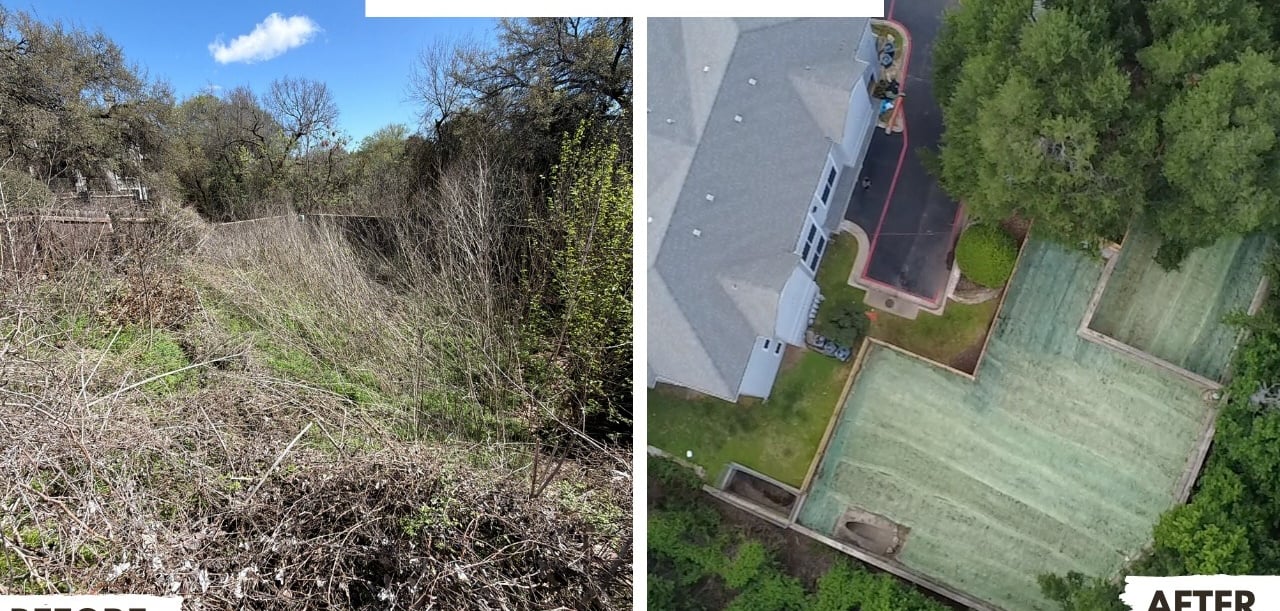
Vegetation clearing to remove invasive species and restore designed flow paths. Sediment removal to restore storage capacity, typically every one to three years depending on site conditions. Inlet and outlet restoration to ensure water moves through the system at designed rates. Erosion repair to stabilize slopes and protect structural integrity. Structural inspection to catch small problems before they become expensive ones. And complete photo and written documentation for your compliance records.
For most commercial properties, an annual inspection with maintenance every one to three years keeps ponds functional and keeps you compliant.
Why Hire a Professional Contractor
Pond restoration isn't mowing. It involves heavy equipment, vegetation removal in unstable soil conditions, work around active drainage structures, and disposal of potentially contaminated sediment.
When you hire a contractor, verify three things: general liability insurance, workers' compensation coverage, and documented commercial experience. If a worker gets injured on your property and the contractor doesn't carry workers' comp, that claim can come back to the property owner.
Top Score Landscape & Hardscape is fully insured, carries workers' compensation coverage, and is registered on Vendor Cafe for streamlined commercial onboarding. We've completed multi-pond restoration contracts for apartment communities across Central Texas and provide flat-rate pricing with full before-and-after documentation
Request a Free Site Assessment
f your detention or retention pond hasn't been evaluated in the last 12 months — or if you've already received a notice from your city — we can help.
Top Score Landscape & Hardscape provides free on-site assessments for commercial properties, apartment complexes, and HOAs throughout Austin, Round Rock, Georgetown, and the greater Central Texas region. You'll receive a flat-rate proposal and a clear scope of work within 48 hours of our visit.
Call (737) 802-4676 or visit topscorelandscaping.com to schedule your assessment.